Check out the projects we’ve funded

2026 funded projects

〰️

2026 funded projects 〰️

  • The Quilt at the End of the World

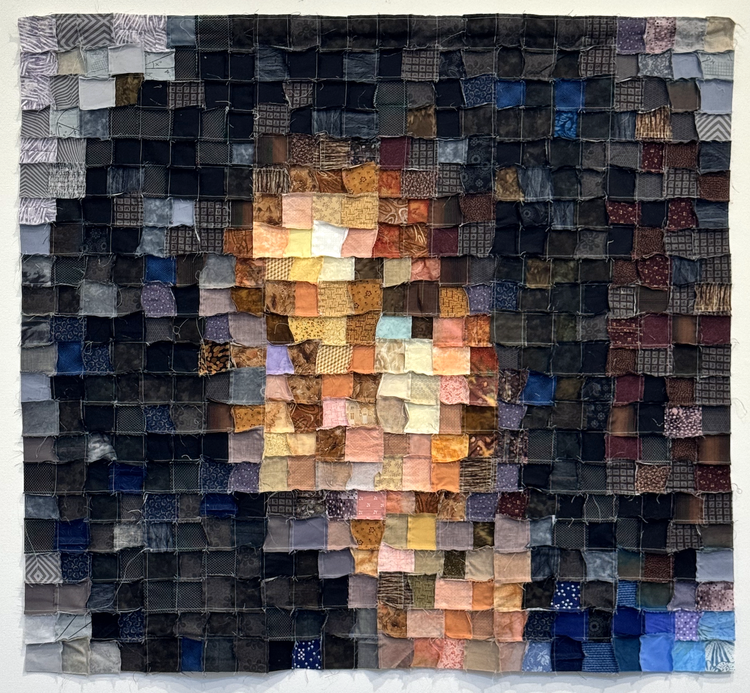
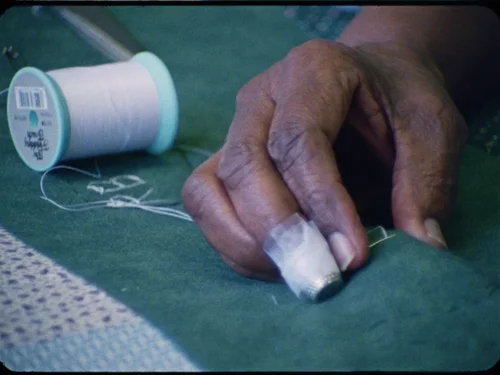
    The Quilt at the End of the World is a short experimental film about the quilters of Gee’s Bend, Alabama—descendants of enslaved people who transformed their community through craft. Using an asynchronous quilt-like structure of image and sound, the film by Amelia Ray explores memory, resilience, and how history is recorded. After completion, it will screen for free in local Black Belt communities, honoring the quilters’ legacy and inviting dialogue through art, storytelling, and community gatherings.
  • Under the Magnolia Trees

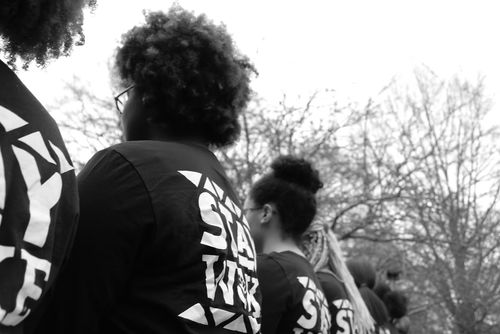
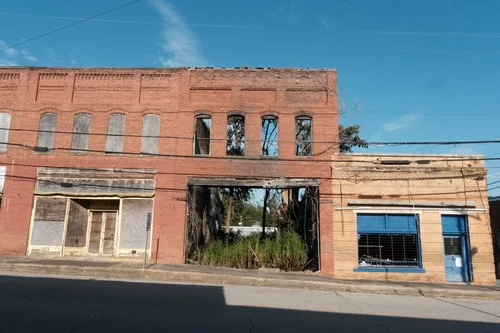
    Eutaw, Alabama, in the historic Black Belt, has a legacy shaped by Black resilience and racial violence. After Black voters helped re-elect Charles Hays in 1870, the Ku Klux Klan rioted to suppress progress, despite newly granted constitutional rights. This history of resistance and erasure persists. Elizabeth Wards mixed-media project, entitled “Under the Magnolia Trees”, will preserve elders’ stories through film, photography, and audio, culminating in a public installation to ensure these voices are remembered and heard.

  • Camp Hill, 2030

    Camp Hill 2030 is a documentary photography and storytelling project about the past, present, and future of Camp Hill, a rural Alabama town facing storms, violence, and long-term economic decline. By capturing portraits and stories of those who stayed and those who left, the project will create a public, open-air exhibition across the town. In partnership with local groups like ACROSS, Didimos Johnson Pulikkottil aims to honor resilience, bring visitors, and inspire small towns to dream bigger.


  • Red Earth, Black Legacy: Alabama’s HBCU Life Through The Red Clay They Were Built Upon

    John “Jahni” Moore’s “Red Earth, Black Legacy” is a visual arts project honoring Alabama’s HBCUs using Alabama red clay as both medium and metaphor. The collection of 15–25 clay-painted works will depict historic scenes, student life, educators, and traditions, rooting each story in the very soil that holds ancestral memory. Traveling to HBCU campuses, museums, and community spaces, the project uplifts Black educational legacies and includes a commemorative booklet at each stop.

  • Growing Season: Artist Book

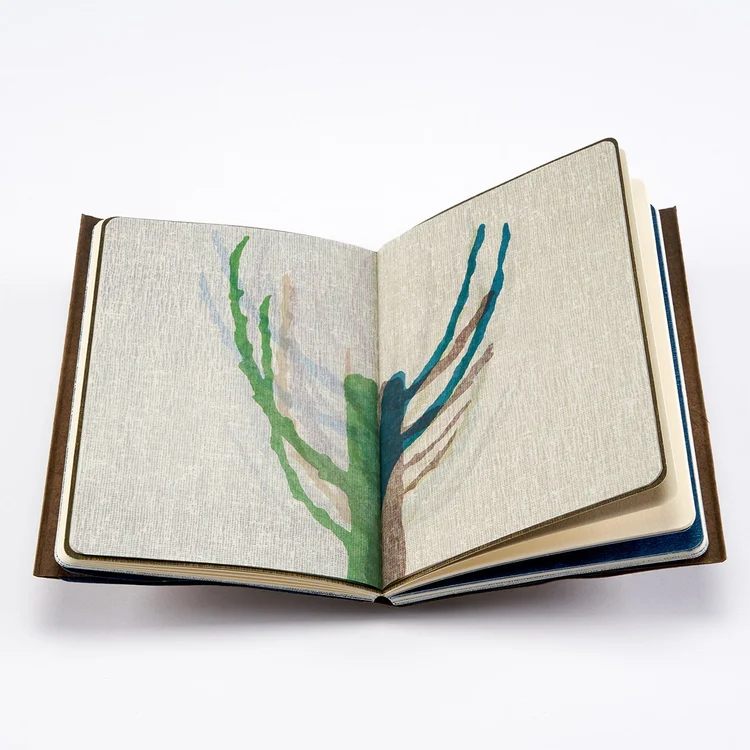
    Growing Season is a collaborative artist book by Katie Baldwin and Sarah Bryant documenting the lives of two Alabama women farmers—Jean Mills, who founded the state’s first CSA, and Margaret Ann Snow of Snows Bend Farm. Using interviews, seed imagery, and traditional printmaking, the hand-bound edition of 20 books and accompanying zine will share their narratives. The project includes library programs, workshops, and national distribution, connecting art, agriculture, and community.

  • Home Within

    Home Within is a site-specific installation by Kristen Tordella-Williams at Boxcar in downtown Opelika. Suspended steel lantern houses—cut with designs drawn by local junior high students—will hang from a woven steel ceiling. As light shines through the student imagery, it casts shifting projections of imagined “home,” inviting viewers to reflect on belonging and community. Permanently installed and publicly accessible, the work blends digital fabrication, sculpture, and youth collaboration to honor shared dreams and place.

  • The Missing Catalog

    The Missing Catalog is a mobile, analog archive honoring long-term missing persons in Alabama. Using film photography, soft sculpture milk cartons, and handwritten stories in a card catalog format, Miriam Omura invites the public to engage with fragmented memories by name, date, and place. Presented as pop-up installations, it prompts reflection on disappearance, ambiguous loss, and empathy, while also providing resources for families and raising awareness of unsolved cases across the state.

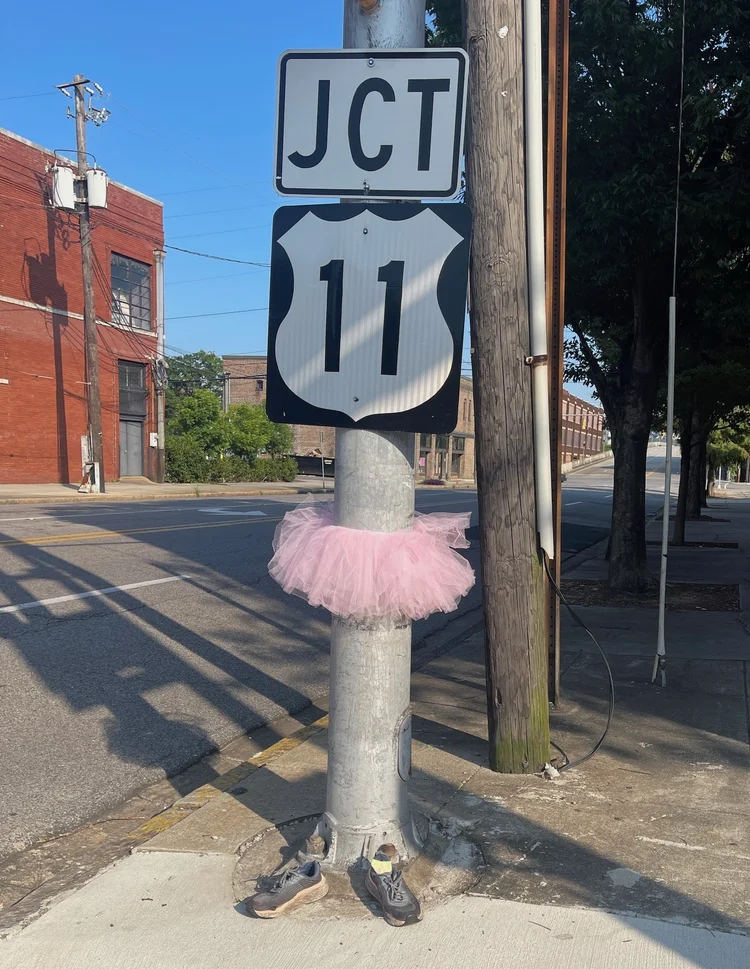
  • he TuTu Project

    The TuTu Project is a playful, community-driven public art intervention created by Renee Hanan Plata using tutus to spark joy, connection, and curiosity in everyday spaces. By placing tutus on people and objects throughout Birmingham—culminating in a citywide installation of 400 tutus on World Tutu Day, February 2, 2027—the project transforms the streets into a shared performance. It invites laughter, interaction, and reflection on femininity, identity, and the role of art in public life.

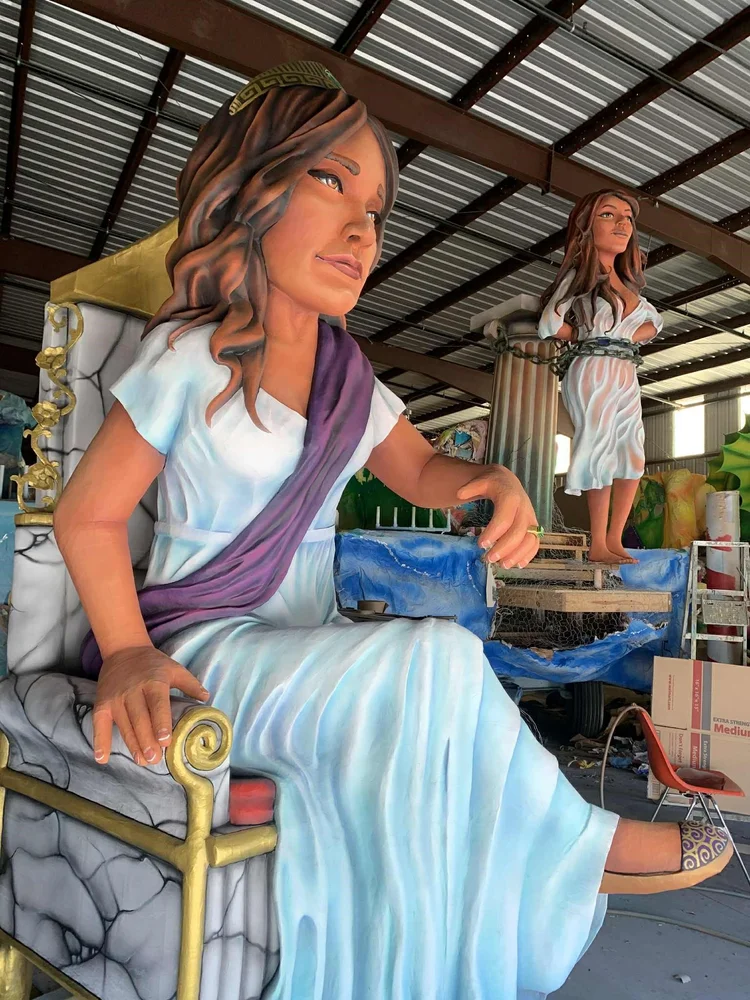
  • Power of Paper

    Power of Paper is a 12-foot public sculpture proposed for Mardi Gras Park in Mobile, Alabama. Created by Vanessa Quintana-Hare with Ben Kaiser, it honors Mobile’s handcrafted paper mâché tradition by building a Fairy Queen throne from cardboard, lumber, and paper mâché. Installed during the Mardi Gras tree lighting, it includes a free public demo. The project promotes sustainable materials, preserves local float-making heritage, and inspires future artists.

  • I’m Still Here

    Will Henry a Book Arts student at the University of Alabama, creating zines and artist books that center Black and queer stories in the South. “I’m Still Here” will produce a zine combining photography, writing, and printmaking to document and celebrate marginalized voices. Distributed in queer spaces, community centers, bookstores, and digitally, it serves as both art and archive—preserving lived experience, resisting erasure, and building visibility and connection across communities.